

In my day-to-day practice, I’m seeing more and more women who choose to prioritise their career, financial stability, or personal development before becoming mothers. As a doctor, I support women’s autonomy and decisions made at each person’s own pace. At the same time, I have a responsibility to speak honestly about a simple biological fact: female fertility follows a predictable trajectory, and time affects both the quantity and the quality of eggs.
Oocyte cryopreservation (often called “egg freezing”) is no longer an experimental procedure in specialised centres, and current technology allows eggs to be stored for later use, with increasingly good survival rates after thawing. It has become an integral part of modern reproductive medicine, used for both medical and personal reasons.
Important to remember: egg freezing does not promise a pregnancy. What it offers is a real planning option — the chance to use, later on, eggs collected at a more favourable age, when their biological quality is higher. In this way, women can make decisions about motherhood without the immediate pressure of time, while also building a reproductive “reserve” that can provide more freedom and reassurance for the future.
In brief:
- Egg freezing has downsides too (hormones, time, costs, emotional stress, and no guarantees) — I discuss these openly below.
- Egg freezing preserves the “age” of the eggs; it does not stop time for your body.
- The best timing depends on age + ovarian reserve + your goal (one child or two).
- Sometimes more than one cycle is needed to build a reasonable “bank” of eggs.
What egg freezing is (and what it isn’t)
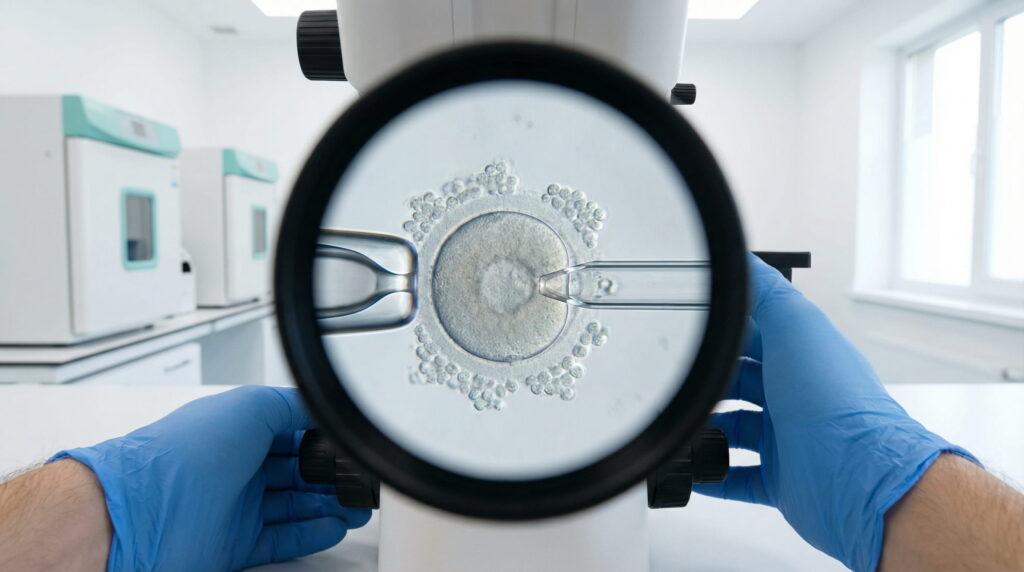
Egg freezing is a fertility preservation procedure that includes:
- Ovarian stimulation (to mature multiple eggs in one cycle)
- Egg retrieval (oocyte collection)
- Vitrification (ultra-rapid freezing)
- Storage under controlled conditions until you decide to use them
When you’re ready to try for pregnancy, the eggs are thawed, fertilised in the lab, and the resulting embryo(s) may be transferred later (depending on your clinical situation).
If you want the procedure explained in full — including all fertility preservation options (not only eggs) — I have a dedicated page: cryopreservation: eggs, sperm, embryos, and ovarian tissue.
What egg freezing is not:
- It is not an “insurance policy” that guarantees pregnancy.
- It does not “rejuvenate” the ovaries and does not stop uterine ageing.
- It does not replace a fertility assessment (AMH, ultrasound, medical history).
The biology of fertility: the ovarian reserve paradox
Unlike men, who produce new sperm continuously, women are born with a finite number of eggs. This is your fertility “capital” for life.
- Quantitative decline At birth, a baby girl has approximately 1–2 million eggs. By puberty, this drops to around 300,000, and then — with every menstrual cycle — the ovarian reserve continues to decline.
- Qualitative decline (aneuploidy) This is the most critical part I discuss with my patients. As we age, the remaining eggs are more likely to accumulate errors during cell division. After 35, the risk of chromosomal abnormalities rises steeply, which can lead to implantation failure or miscarriage.
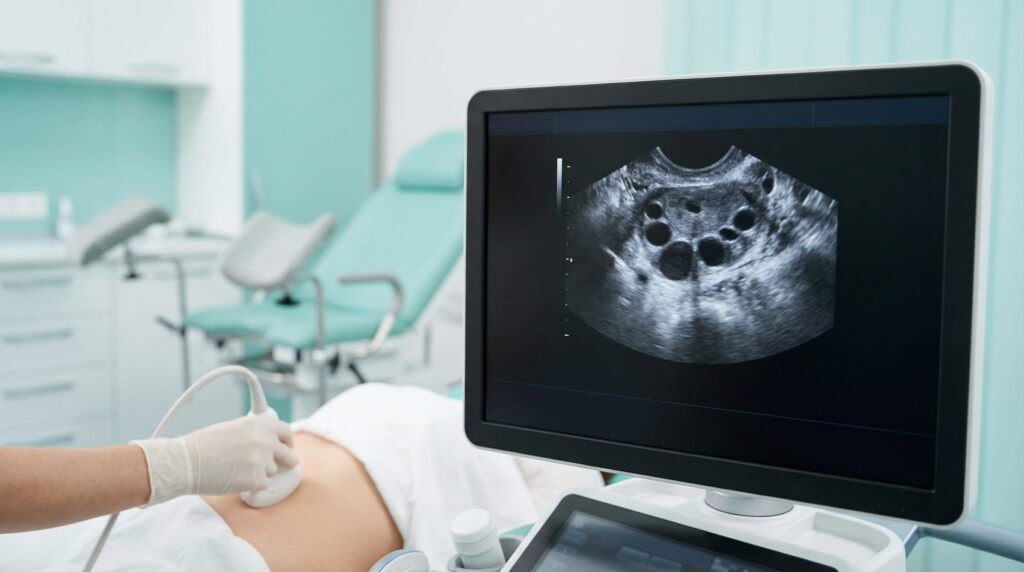
With egg freezing, we don’t just protect eggs from the month-to-month loss — we “freeze” their genetic quality at the age they were collected.
Before exploring the process in detail, it’s important to understand that this procedure allows you to use your own genetic material in the future. However, in cases where ovarian reserve is already depleted, the only option may be egg donation, a process I manage with the highest level of rigour. That’s why freezing earlier can be a strategic step: it can help you avoid needing donated eggs later, and instead allow you to remain your own donor — at a younger age.
Când se When should egg freezing be done?
Time is not just a date on a calendar. Medically, the “right moment” is determined by a careful analysis of three main factors: age, ovarian reserve (assessed by AMH and antral follicle count — AFC), and your personal goal (whether you want one child or more). These factors interact and define a window of opportunity that differs from one woman to another.
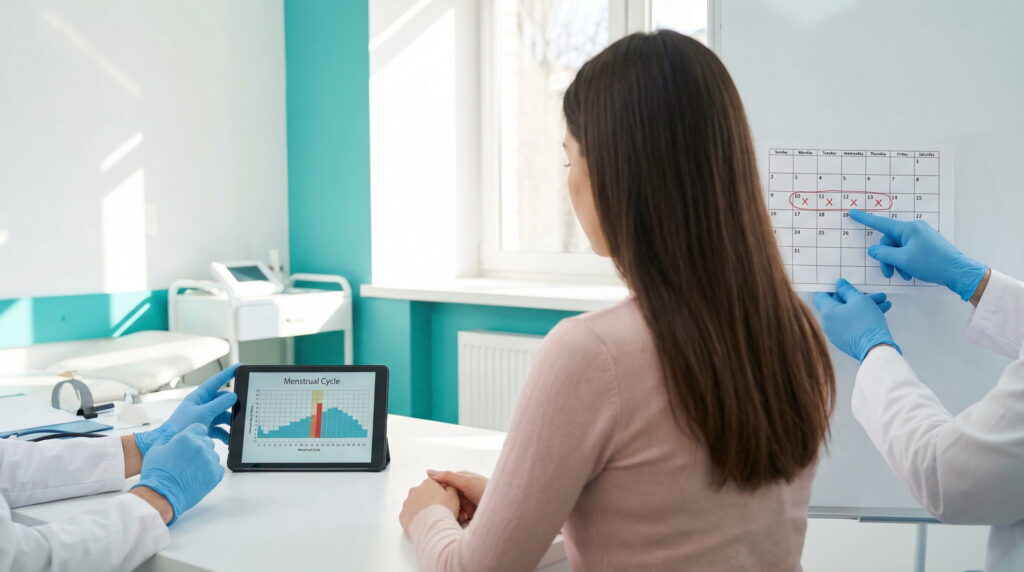
The “golden window” (approximately 20–34)
This is generally the period when the ovaries respond best to stimulation and egg quality is optimal. At this stage, the chances of obtaining a sufficient number of mature eggs in a single cycle are higher — although never guaranteed. Egg freezing is typically simpler, and long-term outcomes may be better because eggs collected at this age retain a strong biological potential. This is when egg freezing can be viewed as a preventive investment made in time, without the pressure of an urgent decision.
The transition window (approximately 35–38)
After 35, things become more nuanced. Egg quality begins to decline gradually, and ovarian reserve decreases. Egg freezing can still be a valuable option, but it requires more careful planning. Often, I recommend two stimulation cycles (or a step-by-step plan) to build an adequate number of eggs. This is a phase where decisions are made more pragmatically — with a realistic assessment of chances and resources — and with the understanding that technology may partially offset the effects of time.
The critical threshold (approximately 39–40+)
After 39–40, egg freezing must be individualised with great care. In some cases, it may be considered a last attempt to preserve the chance of pregnancy with one’s own eggs. In others, ovarian reserve testing (AMH, AFC) and medical history may indicate that the real chances are low, and the conversation may shift towards alternatives such as egg donation. At this stage, every detail matters, and personalised counselling is essential to making a balanced, informed decision.
When time is not a luxury: clear medical indications
There are situations where egg freezing is not about “planning”, but about protecting fertility:
- Oncofertility: before treatments that can damage the ovaries (chemotherapy/radiotherapy)
- Severe endometriosis and/or repeated ovarian surgery
- Risk of premature ovarian insufficiency (family history, certain genetic/clinical factors)
- Certain systemic diseases and treatments with gonadotoxic potential
To understand how frozen eggs are later used, I invite you to read my article on IVF (Fertilisation in Vitro) and the patient experience, where I explain the full emotional and clinical pathway.
How many eggs should I freeze (and why there’s no “safe” number)
“How many eggs do I need?” is one of the most common questions I hear. Some popular guides mention targets such as 10–15 eggs as an ideal goal — but even that is a guideline, not a guarantee, and not always achievable, especially when ovarian reserve is low.
There is no magic number that means “you will definitely have a baby”, because the final outcome depends on:
- Age at retrieval
- Number of mature eggs (not just retrieved eggs)
- Survival rate after thawing
- Fertilisation (sperm quality matters)
- Embryo development
- Endometrial receptivity and overall health
In practice, I build the plan on two levels:
- A realistic per-cycle goal (how many eggs we can safely obtain)
- A medium-term goal (whether one cycle makes sense, or whether we should plan two)
Vitrification: why it changed the game
In the past, egg freezing was difficult because of the risk of ice crystal formation — and the egg is a large, sensitive cell. Today, the standard method in many centres is vitrification, an ultra-rapid freezing technique. This technology protects cell integrity in over 90% of cases. It is considered a gold standard for freezing eggs, sperm, embryos, and ovarian tissue.
It’s essential to understand, however, that success doesn’t depend on “technology” as a buzzword. It depends on:
- Laboratory quality
- Protocols
- Team experience
- Strict environmental control
The clinical process: how I will guide you step by step
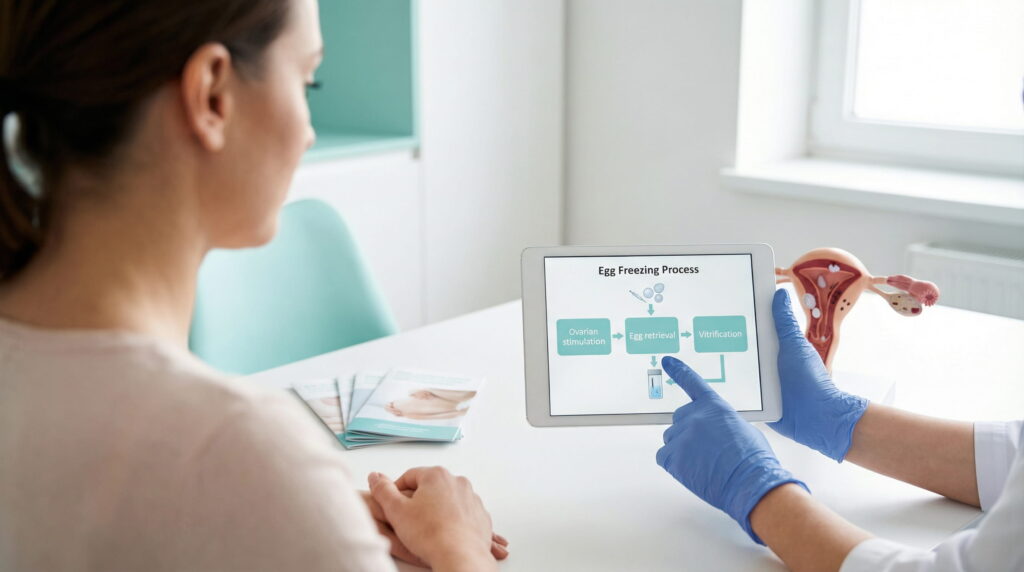
1) Assessment — the first step
We begin with an open discussion and a few simple tests that help us understand where we’re starting:
- AMH — an indicator of ovarian reserve (not a “sentence”, just one piece of the puzzle)
- Transvaginal ultrasound with antral follicle count (AFC)
- A full medical evaluation: your history, prior procedures, treatments, and goals
The goal is clarity — not labels.
2) Ovarian stimulation — preparing the eggs
Next comes a period of about 10–12 days using a personalised protocol. You’ll administer subcutaneous injections at home, and I will monitor progress with ultrasound and, when needed, hormone tests. Everything is adjusted based on your response, step by step.
3) Egg retrieval
This is a short procedure performed under light sedation. You can go home the same day, with clear recommendations for the next 24–48 hours. Most patients describe this stage as easier than they expected.
4) Vitrification and storage
Mature eggs are assessed in the lab, then vitrified (ultra-rapidly frozen) and stored under secure conditions. From that point on, time stops for them — they remain at the biological age they were when collected.
5) After the procedure — what’s normal, and when to call me
You may experience mild bloating, cramps, or abdominal discomfort. Some women also notice temporary mood changes, headaches, or nausea related to stimulation.
Vă ofer mereu o listă clară de semne de alarmă și sunt disponibil dacă apare orice nelămurire.
“You deserve to be heard, seen, treated with respect, and supported throughout your life.”

What happens when you decide to use your frozen eggs
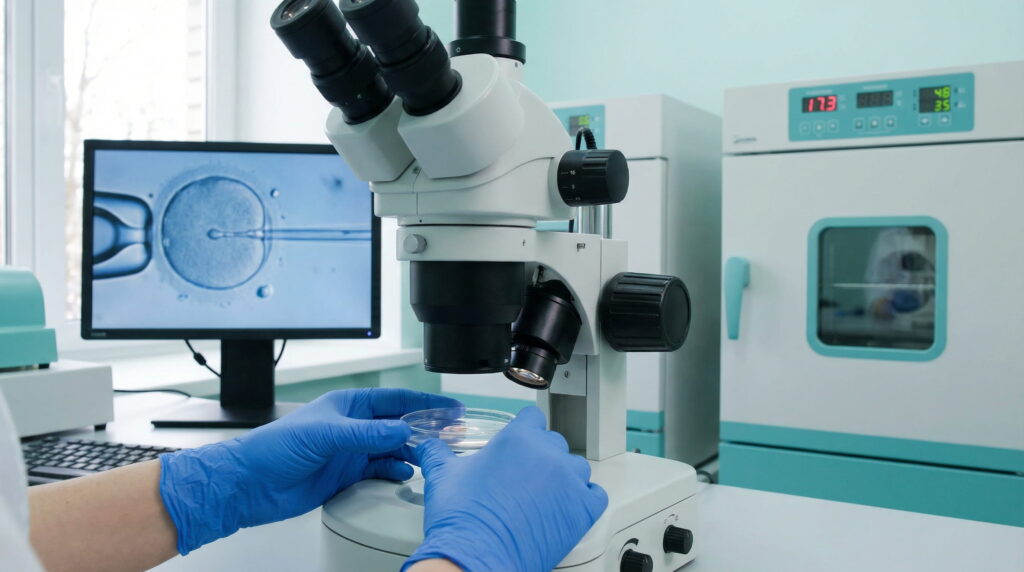
When the time is right, the process follows several clear and carefully monitored steps:
- Eggs are thawed gradually under controlled conditions to preserve integrity.
- They are then fertilised in the lab using the most appropriate method for the couple.
- The resulting embryos are observed daily to assess optimal development.
- Finally, an embryo transfer is performed at the right time, based on endometrial readiness and the medical plan we set together.
If you’d like a realistic, human perspective on the full journey, I’ve described it step by step here: an IVF patient’s journey, step by step.
Downsides: what you should know before deciding
I prefer to speak openly about this, because a good decision is made with clear information — not fear.
Egg freezing does not guarantee pregnancy, but it offers a real chance to preserve options for the future. Sometimes more than one cycle is needed, especially when ovarian reserve is lower — and we always discuss together what truly makes sense for you.
The procedure may bring mild and temporary discomfort (bloating, abdominal pressure). Medical risks are rare and closely monitored — my role is to prevent them and to keep you safe and supported throughout.
There are also costs to consider (procedure, medication, storage). I clarify these from the start so there are no surprises.
Ultimately, it’s important to have a realistic plan: egg freezing buys time, but the decision to become a mother remains deeply personal — and I will support you in your own rhythm.
Frequently Asked Questions
Can I continue my normal routine during ovarian stimulation?
Yes. Most women can continue their usual daily activities, except on the day of the retrieval. However, it’s recommended to avoid intense physical exercise and follow medical guidance.
What happens if I never use my frozen eggs?
Eggs can be stored long-term. If you decide not to use them, options may include anonymous donation, controlled disposal, or in some cases research use — depending on local legislation and the consent you signed.
Can I freeze eggs if I’ve been diagnosed with endometriosis?
Yes — in many cases it’s even recommended, especially before repeated surgeries or treatments that may affect ovarian reserve. Individual evaluation is essential.
Do I need recovery time after egg retrieval?
Recovery is usually quick — most patients return to normal activities within 24–48 hours. Mild cramping or bloating may occur and typically resolves on its own.
Can I freeze eggs if my menstrual cycle is irregular?
Yes, but the stimulation protocol is adapted depending on the cause. Sometimes irregular cycles can signal reduced ovarian reserve or other hormonal imbalances that should be investigated before the procedure.
What if my partner and I decide later to use the eggs?
The eggs will be thawed and fertilised in the lab, and the resulting embryos can be transferred to the uterus according to the medical plan. The process is similar to IVF.
How do I know if I’m a good candidate for egg freezing?
Through a full medical evaluation: hormonal tests (including AMH), transvaginal ultrasound, and a discussion about your personal history and reproductive goals. Only after these steps can we determine whether the procedure is suitable for you.
How long can eggs be stored without losing quality?
Vitrified eggs can be stored long-term — even over 10 years — without significant loss of quality, as long as storage conditions are optimal and continuously monitored.

The Role of Dr. Andreas Vythoulkas in Egg Freezing
In egg freezing, my role isn’t simply to follow a protocol, but to continuously adapt the medical plan and to communicate openly with you — from ovarian reserve assessment all the way to vitrification. Every step is personalised because no two cases are identical: age, medical history, lifestyle, and reproductive goals all shape therapeutic decisions.
The purpose of the consultation is to clarify your fertility status and determine whether egg freezing makes sense for you. We speak realistically about chances, biological limits, and emotional implications, so every decision is informed. At this stage, I explain in detail what hormonal stimulation involves, which tests are needed, and how retrieval is performed — so you feel prepared and in control.
Throughout the process — stimulation, retrieval, vitrification — I offer support and adjust strategy according to your biological response. Sometimes multiple cycles are needed, and continuity and trust in the doctor–patient relationship are essential. Close monitoring and consistent communication also help reduce stress and maintain a balanced perspective.
My goal isn’t only to collect eggs, but to guide the entire journey so that each step makes sense medically and personally, and brings you closer to the right time to become a parent. Ultimately, the aim is for egg freezing to be a thoughtful, informed decision integrated into your life plan — not an isolated medical procedure.
Talk to me about
Egg Freezing (Oocyte Cryopreservation)

Sources
- ASRM. Evidence-based outcomes after oocyte cryopreservation: a guideline (2021).
- ESHRE. ESHRE guideline: female fertility preservation (2020).
- ESHRE. Female fertility preservation – guideline (official page).
- HFEA. Egg freezing: a factsheet (2025).
- ACOG. Committee Opinion No. 584: Oocyte Cryopreservation (2014, reaffirmed).
Similar Articles

Warning Signs in the First Trimester: When Rapid Evaluation Is Needed

How Long an IVF Cycle Takes: Stages, Timeline and When to Do the Pregnancy Test
