

An ovarian cyst is, in most cases, a benign formation on the ovary—discovered either incidentally during a routine check-up or in the context of symptoms such as pelvic pain or menstrual cycle changes. Most importantly: an ovarian cyst does not automatically mean surgery. Many cysts are functional (related to ovulation) and can resolve on their own.
There are, however, situations where ovarian cyst removal becomes the most appropriate and safest option—when pain persists, when the cyst remains or grows, when complications occur, or when the ultrasound appearance requires caution.
In this article, I explain step by step how the decision is made, what types of procedures exist, and what you can expect after surgery. I speak directly, but respectfully, and I try to keep a balance between clarity and realism: every patient has a different context, and the right plan is built individually.
When an ovarian cyst needs urgent evaluation
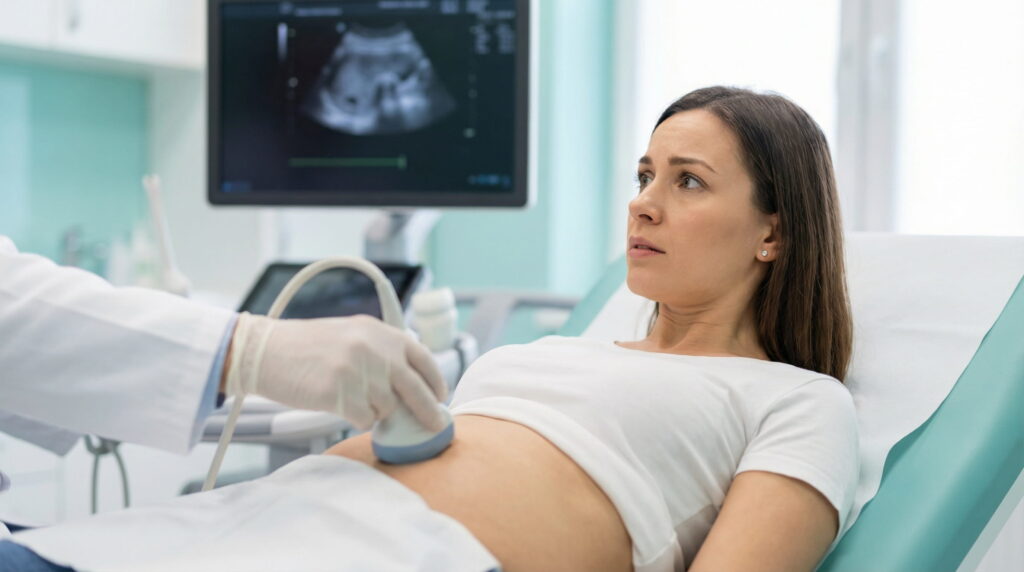
Sometimes, an ovarian cyst can cause sudden symptoms that suggest a complication. I don’t want to create alarm, but it helps to know which signs should be assessed without delay.
If you develop sudden and severe pain, I recommend urgent medical evaluation—especially if the pain is accompanied by:
- persistent nausea/vomiting
- marked dizziness, near-fainting, or fainting
- fever, chills, generally feeling unwell
- heavy or unusual vaginal bleeding
- pain that does not improve with rest and worsens
These signs may occur in situations such as ovarian torsion (twisting of the ovary), cyst rupture, or bleeding within the cyst. Even if it turns out not to be a severe complication, a prompt evaluation reduces risk and uncertainty.
Why ovarian cyst removal is sometimes recommended
The decision to operate on an ovarian cyst is not made based on size alone. In practice, the bigger picture matters: symptoms, evolution over time, ultrasound appearance, age, your medical history, and your goals (including pregnancy plans).
In general, ovarian cyst removal is discussed when the cyst persists, grows, or causes significant symptoms. The most common situations include:
Pain and quality of life
An ovarian cyst can cause pelvic pain, discomfort during intercourse, pain with exertion, or a sense of pressure. If symptoms are persistent or recurrent and affect daily life, surgery becomes an option to consider.
Persistence or growth on follow-up scans
A cyst that does not resolve after the recommended monitoring period (depending on the suspected type) or that changes in size/appearance may require a different strategy than simple observation.
Risk of complications
Some cysts—because of their size or position—may increase the risk of torsion or rupture. That doesn’t mean it will happen, but it is part of the decision balance.
Ultrasound features that require careful evaluation
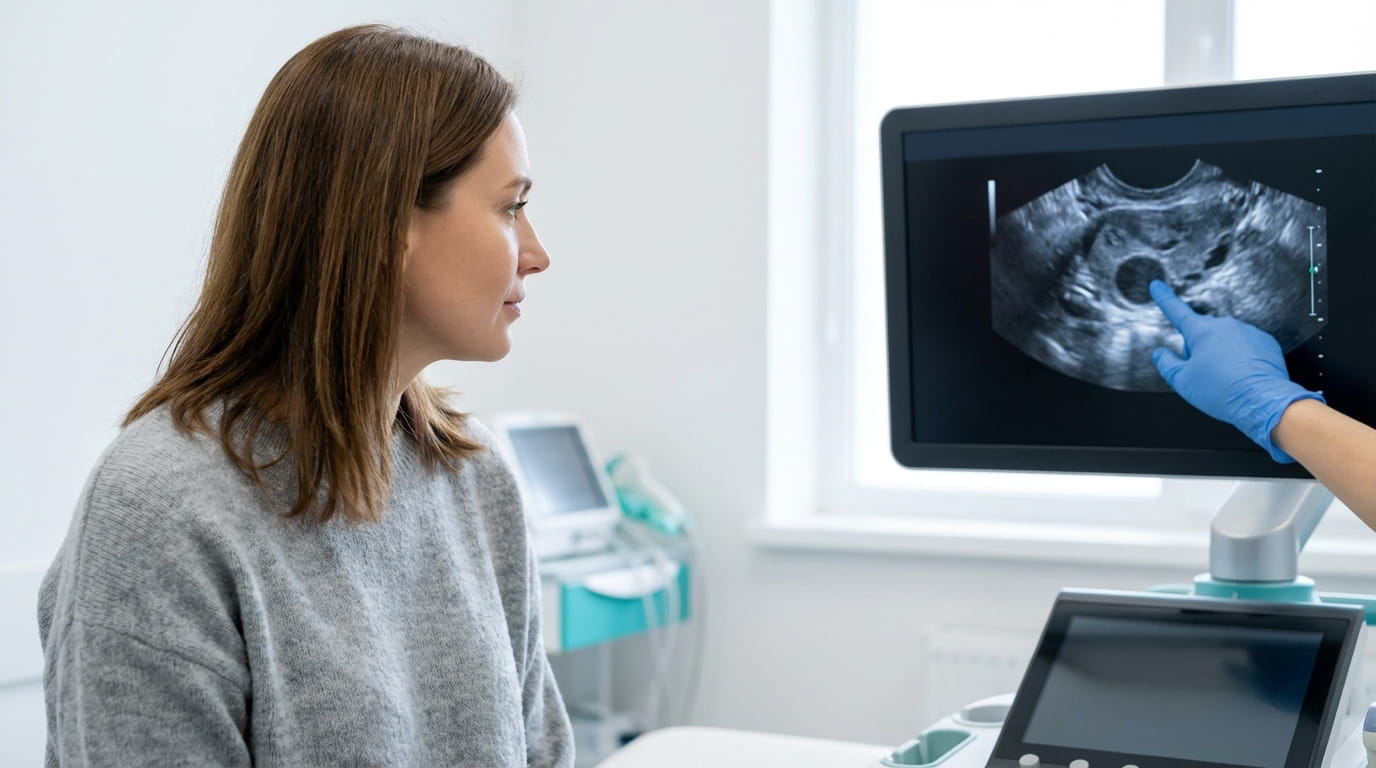
Ultrasound offers important clues about the type of cyst. When the appearance is not typical for a functional cyst or there are features that require caution, the approach should be discussed carefully—and sometimes surgery is recommended.
Association with endometriosis
In endometriosis, the approach to ovarian cysts (endometriomas) has specific nuances, because we must balance pain control, recurrence risk, and protection of ovarian function. In this context, management is integrated into Endometriosis Treatment, not treated “in isolation.”
Types of procedures: what “removing the cyst” actually means
When a patient tells me “I was told to remove the cyst,” the first step is to clarify what that means in her case. There are several options, and the right choice depends on safety and your goals.
Most commonly, the goal is to remove the cyst while preserving the ovary, when it’s safe to do so. This is called an ovarian cystectomy: the cyst is carefully separated from ovarian tissue as conservatively as possible.
There are also situations where a more extensive procedure may be recommended—for example when:
- the ovary is severely affected
- there is a concern that requires a more cautious approach
- the broader medical context shifts the risk–benefit balance
From a technical perspective, many ovarian cyst surgeries can be performed minimally invasively via laparoscopy. The major advantage is usually faster recovery and less post-operative discomfort compared with open surgery. That said, there are cases where open surgery is the safest option, depending on the nature of the mass and intraoperative findings.
How to prepare for ovarian cyst surgery

Before surgery, the goal is to have the clearest possible diagnosis and to reduce risks. Beyond tests and investigations, preparation also means knowing what to expect.
Typically, preparation includes a consultation, ultrasound, routine labs, and a pre-anesthetic evaluation. Depending on the case, additional recommendations may apply. At the consultation, it’s very helpful to tell me:
- when symptoms started and how they evolved
- whether pain relates to your menstrual cycle
- what treatments you’ve tried so far
- whether you have a history of recurrent cysts, endometriosis, or gynecologic surgery
- whether you want to become pregnant in the near future
In many cases, these details make the difference between a “standard” decision and a plan tailored specifically to you.
“You deserve to be heard, seen, treated with respect, and supported throughout your life.”

What the procedure involves (in plain terms)
On the day of surgery, we confirm the surgical plan, anesthesia is administered, and then the cyst is removed using the agreed technique. The duration varies with complexity: a simple cyst can be much easier to treat than a cyst that is adherent, recurrent, or associated with endometriosis.
One point I always explain: after removal, the cyst is typically sent for histopathology. This is a standard safety step to confirm the diagnosis.
Recovery after ovarian cyst removal

Recovery after the removal of an ovarian cyst depends on the type of intervention and on the particularities of each case, but in many situations the evolution is good from the first hours after surgery. When the procedure goes well, the patient can be mobilized shortly after the operation, and the return to usual activities generally happens quickly and progressively.
In the first hours after the intervention, a mild local discomfort or slight sensitivity in the operated area may appear, but these are usually temporary and carefully monitored. It is important that recovery is supported through early mobilization, proper hydration, and following the medical recommendations received at discharge.
In most cases, the patient can stand up and move a few hours after surgery, and the return to the daily routine is done gradually, depending on how she feels and on the indications received. For this reason, recovery should not be seen as a prolonged period of limitation, but rather as a well-controlled postoperative process with a favorable evolution when everything progresses normally.
Warning signs after surgery:
- fever or chills
- pain that intensifies instead of improving
- pronounced redness, discharge, or swelling at the incision sites
- heavy vaginal bleeding
- a general condition that worsens
These manifestations are not automatically signs of a complication, but they require a medical reevaluation.
Day-to-day life after ovarian cyst surgery
A natural question is: “When will I feel normal again?” The answer varies, but there are general directions.
Work and daily activities
After laparoscopic ovarian cyst removal, many patients resume light activities relatively quickly. If your work involves heavy physical effort, lifting, or prolonged standing, the plan should be individualized.
Physical activity and exercise
Returning to exercise should be gradual. In the first weeks, recommendations typically focus on light movement, then progressively increasing intensity depending on how you feel and what we confirm at follow-up.
Sex life
Resuming intercourse is usually recommended once discomfort has resolved and healing is on track. If there is pain or unusual bleeding, it’s best to discuss it before restarting.
Fertility impact: what matters most
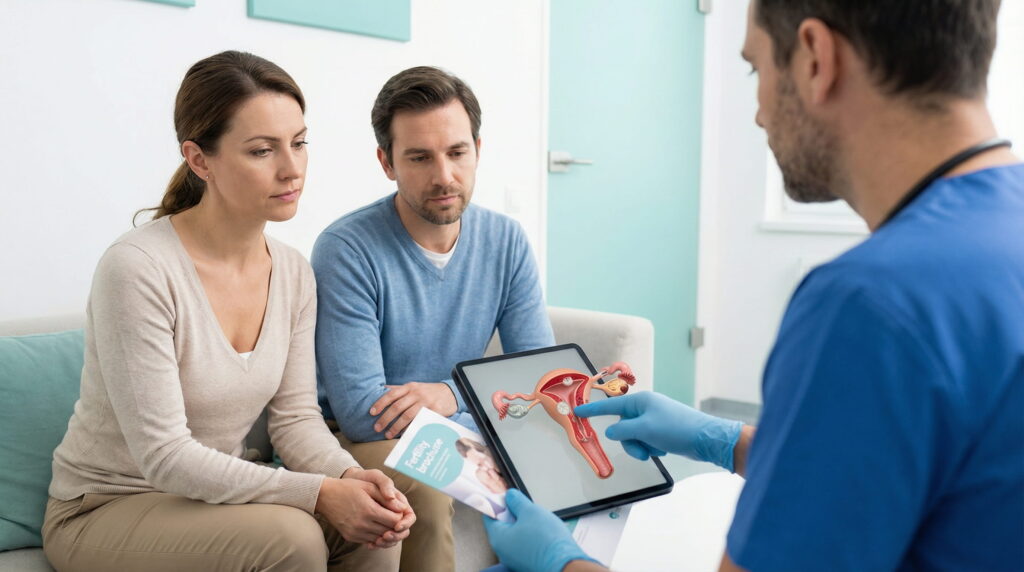
For many patients, the key question is whether an ovarian cyst—or the surgery—can affect pregnancy chances. The reality is nuanced.
An ovarian cyst can influence fertility especially when it:
- is associated with endometriosis
- recurs or required repeated surgeries
- affects ovarian tissue or ovarian function
When pregnancy is your goal, I aim to preserve ovarian function as much as possible without compromising safety. Sometimes, after surgical treatment, it may be appropriate to discuss assisted reproduction options, including in vitro fertilization (IVF), depending on age, ovarian reserve, and the overall context.
If you want additional information about laparoscopy and assisted reproduction, resources such as Laparoscopy and In Vitro Fertilization (IVF) can complement the medical perspective. For endometriosis, you may find further information here: Endometriosis Treatment.
Recurrence and what you can realistically do
Ovarian cysts can recur depending on type and underlying cause. Some patients are prone to functional cysts; others have endometriosis; others experience recurrences related to ovarian particularities.
There is no universal solution, but there is a healthy principle: correct monitoring and intervention at the right time. If we choose to monitor a cyst, it’s important not to stay with anxiety alone (“it exists”), but to have a clear plan: when to come back, what we’re watching, and which criteria would change the approach.
Frequently Asked Questions
When is an ovarian cyst operated on?
Surgery is discussed when the ovarian cyst persists, grows, causes significant symptoms, there is suspicion of complications, or the ultrasound appearance requires caution. The decision is made after full evaluation.
Can you remove only the cyst and keep the ovary?
In many cases, yes. The goal is to remove the ovarian cyst while preserving as much functional ovarian tissue as possible, when it is safe.
What does cystectomy mean?
Cystectomy is the procedure in which the ovarian cyst is removed while the ovary is preserved. It is commonly used when the mass is benign and allows conservative dissection.
Is ovarian cyst surgery always laparoscopic?
Not always, though many cases can be done minimally invasively. There are situations where open surgery is safer, depending on complexity and medical criteria.
How long does recovery take after ovarian cyst removal?
It depends on the procedure type, but recovery after laparoscopy is often faster. You will receive personalized guidance on returning to activities.
Is it normal to have pain after surgery?
Moderate discomfort can be normal in the first days. Pain that increases, fever, or a significant decline in general condition warrants reassessment.
Can I get pregnant after surgery?
In many cases, yes. If the ovary is preserved and there are no other associated causes, chances can remain good. In contexts such as endometriosis, the strategy is individualized.
Can ovarian cysts come back after surgery?
Yes—some can recur, depending on type and underlying cause. Monitoring and addressing the main cause are essential.

Dr. Andreas Vythoulkas’ role in ovarian cyst removal
When evaluating an ovarian cyst, I work in two directions at the same time: medical safety and your personal goals (including fertility plans). That’s why I don’t treat “the cyst” as a label, but as a clinical situation that must be understood in context—symptoms, ultrasound, your history, age, and what you want in the short and long term.
When I recommend ovarian cyst removal, I do it with a clear plan: I explain the options in plain language, we choose the most appropriate approach together, and I set realistic milestones for recovery. In many cases, the goal is to preserve the ovary and its function without compromising safety. And when there are associated conditions (such as endometriosis) or when fertility is a priority, the strategy is built step-by-step, with well-justified decisions.
If you already have a diagnosis of an ovarian cyst or a surgical recommendation, it helps to come to your consultation with your questions. I consider them a natural part of a correct and informed decision, and my role is to offer clarity—without rushing and without unrealistic promises.
Talk with me about
ovarian cyst removal
Sources
Similar Articles

What Preterm Labor Is and How to Recognize It

Sonohysterography (Sono-HSG): When I Recommend It, How Much It Costs and What We Do After the Result
