

Cramping at the beginning of pregnancy is often frightening, especially when it appears very early, at a time when many patients are still trying to understand whether the pregnancy is progressing normally. In my practice, I explain from the very first discussion that having cramps in the first weeks of pregnancy does not automatically mean a complication. In many situations, the body is adapting to hormonal changes and to the changes taking place in the uterus. For patients who achieved pregnancy after treatment, the emotional context is even more intense, which is why I also find the perspective from the article about pregnancy after IVF useful, where I explain the particularities of this period more broadly.
When Cramping in the First Weeks of Pregnancy Is Normal
I often tell patients that these cramps in the first weeks of pregnancy can appear physiologically. They are usually mild, temporary, similar to menstrual discomfort and do not progressively worsen. They may be related to implantation, increased uterine blood flow, hormonal changes or the uterus adapting to pregnancy. Not all women feel them in the same way, and their absence does not indicate anything negative about how the pregnancy is progressing.
In general, when I talk about cramps in the first weeks of pregnancy that seem typical, I mean short, tolerable episodes, without significant bleeding, without dizziness and without intense pain on one side. Sometimes abdominal discomfort is also amplified by bloating or constipation, which are common symptoms at the beginning of pregnancy and may create the impression of stronger pain than is actually present.
How Patients Describe Early Pregnancy Cramping
From my clinical experience, patients describe these cramps in the first weeks of pregnancy in fairly similar ways: “like period cramps,” “a low tension in the pelvis,” “a discomfort that comes and goes” or “a mild pressure in the lower abdomen.” That is exactly why interpretation should not be based only on intensity, but also on context. I want to know when they started, how long they last, whether they recur, whether they are associated with spotting and whether there are any known risk factors.
In spontaneously conceived pregnancies, this type of evaluation is important. In pregnancies achieved after treatment, it is even more important, because every symptom is followed with greater anxiety. That is why, when I discuss In Vitro Fertilization, I believe it is useful for the patient to understand both the physical and emotional context, which is why I often integrate recommendations close to what I explained in In Vitro Fertilization (IVF): the patient experience.
When Cramping in the First Weeks of Pregnancy May Hide a Problem
Cramping Associated with Bleeding
If cramps in the first weeks of pregnancy appear together with vaginal bleeding, evaluation becomes necessary. Not all spotting means pregnancy loss, but the combination of pain and bleeding must be interpreted correctly. In these situations, I recommend clinical assessment and, depending on gestational age, ultrasound and specific blood tests when indicated.
Pain on One Side or Intense Pain
When you have cramps in the first weeks of pregnancy and they become strong, persistent or mainly one-sided, we are no longer dealing with simple adaptation-related discomfort until proven otherwise. In particular, one-sided pain, whether or not associated with bleeding, dizziness or weakness, requires prompt evaluation to rule out an ectopic pregnancy or other causes that need medical intervention.
What I Recommend in Practice When Cramping Appears at the Beginning of Pregnancy
When a patient tells me she has cramps in the first weeks of pregnancy, my first goal is to distinguish between a common symptom and a concerning one. I recommend relative rest if the pain is mild, hydration, avoiding intense physical effort and careful monitoring for association with other symptoms. I do not recommend self-medication without medical advice, especially in a very early pregnancy.
I consider it essential for the patient to observe whether the pain increases, whether bleeding appears, whether the pain becomes one-sided or whether faintness, severe nausea or fever develop. At the same time, the emotional component should not be ignored. For many couples, especially after assisted reproduction treatments, anxiety alters the perception of symptoms and increases psychological pressure. In this context, the support offered through psychological counseling in IVF also makes sense, because emotional balance influences how the patient manages this period.
“You deserve to be heard, seen, treated with respect, and supported throughout every stage of life.”

Cramping in the First Weeks of Pregnancy After In Vitro Fertilization
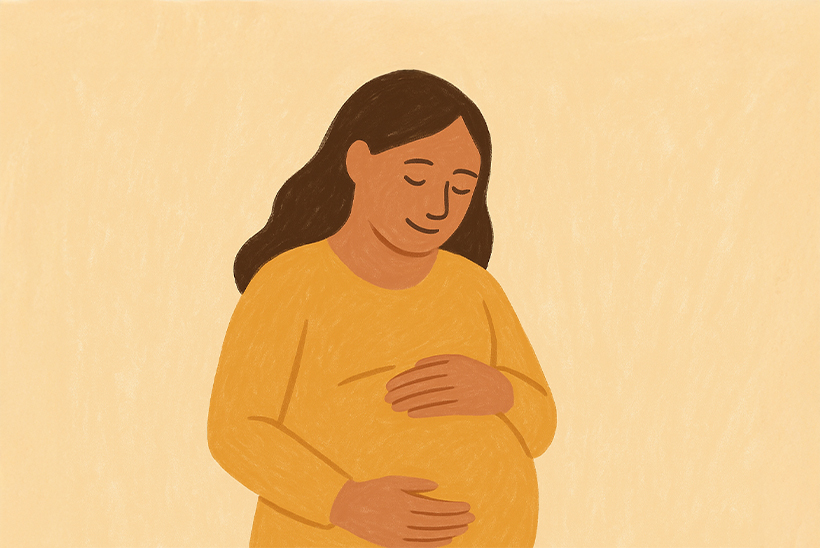
In the case of a pregnancy obtained after treatment, cramps in the first weeks of pregnancy are almost always interpreted with more fear. From my experience, many patients wonder whether the discomfort comes from the pregnancy itself, from hormonal medication or from the emotional strain accumulated throughout the treatment journey. The answer is that there may be several explanations at the same time, and correct evaluation depends on the context of each patient.
Hormonal treatment may modify bodily perception, may intensify the sensation of pelvic tension or bloating and may make cramps in the first weeks of pregnancy feel stronger. That is why, for patients in this situation, I also integrate the explanations detailed in hormones in IVF and treatment success. What matters is not to draw conclusions based only on the presence of cramping, but on how it is associated with ultrasound findings, clinical evolution and individualized medical recommendations.
Frequently Asked Questions
Are cramps in the first weeks of pregnancy normal?
Yes, very often they are normal, especially if they are mild, temporary and not accompanied by heavy bleeding or intense pain. They may occur as the body adapts to early pregnancy.
The cramps feel like period pain. Is that a bad sign?
Not necessarily. Many patients describe early cramps in exactly this way. What matters is the intensity, duration and association with other symptoms, not just the similarity to menstrual discomfort.
When do cramps in the first weeks of pregnancy become concerning?
Evaluation becomes necessary when the pain is strong, persistent, located on one side, associated with bleeding, dizziness, fainting, fever or feeling generally unwell.
Can cramps appear without bleeding?
Yes. There are many situations in which discomfort appears alone and has no connection to a complication. Still, if the pain increases or persists, it should be evaluated.
After In Vitro Fertilization, are cramps in the first weeks of pregnancy more common?
Sometimes they are felt more intensely, both because of the hormonal context and because of the natural anxiety associated with treatment. Their presence alone does not determine whether the pregnancy is progressing well or not.
Is ultrasound always needed if cramping appears?
Not in every minor situation, but ultrasound becomes very important when there is bleeding, one-sided pain, worsening symptoms or a medical context with higher risk.
Can I take painkillers for these cramps?
I do not recommend taking any medication without medical advice. In a very early pregnancy, treatment must be chosen carefully and only after we understand the cause of the symptoms.
Do cramps disappear completely if the pregnancy is progressing normally?
Not necessarily. Some patients have intermittent episodes of discomfort and still have a normal progression. What matters is the overall pattern of symptoms and proper medical monitoring.
Dr. Andreas Vythoulkas’ Role in Evaluating Cramping in the First Weeks of Pregnancy
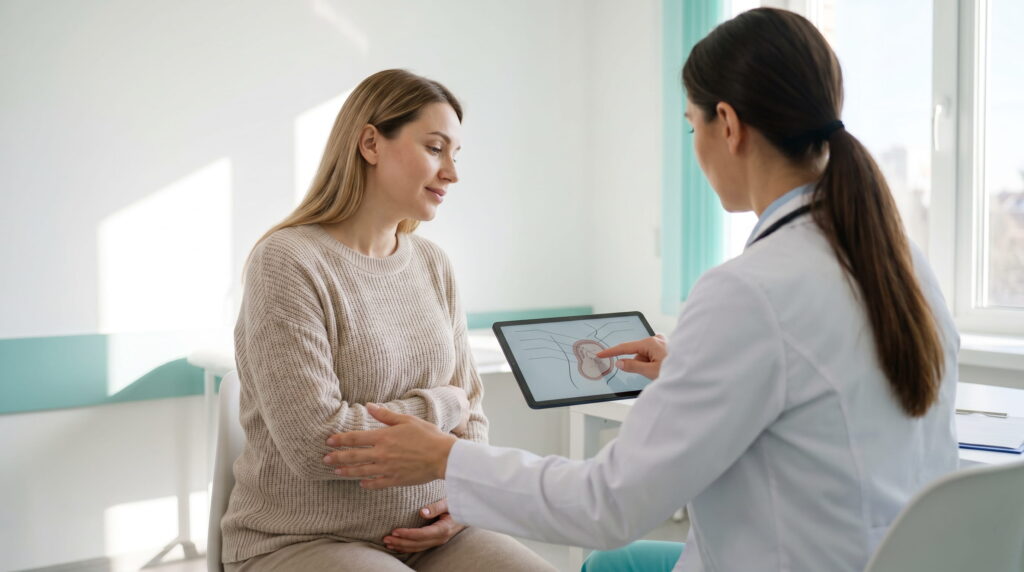
In evaluating early pregnancy symptoms, my role is to quickly separate what may be physiological from what requires additional investigation. I do not find it useful either to automatically minimize the pain or to dramatize it. What I recommend is correct medical interpretation, adapted to the patient’s history, the way the pregnancy was achieved and the associated symptoms.
In my practice, I look not only at whether there are cramps in the first weeks of pregnancy, but also at the complete context: when they appeared, their intensity, the nature of the pain, whether they are associated with bleeding, ongoing treatments and the results of evaluations already performed. Especially in patients who have gone through infertility or In Vitro Fertilization, careful medical guidance helps reduce uncertainty and supports correct decisions, without unnecessary interventions but without delaying an important diagnosis.
Talk to me about
Cramps in the First Weeks of Pregnancy

Sources
Similar Articles

Hormones and the Success of IVF Treatments

Is the Absence of Symptoms in Early Pregnancy a Reason for Concern?
