

A uterine fibroid is a benign growth of the uterine muscle and is very common during reproductive age. Most of the time, a uterine fibroid does not cause major problems and can simply be monitored. In other situations, however, symptoms, size, location, or your reproductive plan can completely change the discussion about treatment.
In this article, I explain step by step how I medically approach fibroid treatment: when monitoring is enough, when an intervention makes sense, and how we choose the most suitable removal option—especially when fertility is a priority.
What a uterine fibroid is and when it becomes a problem
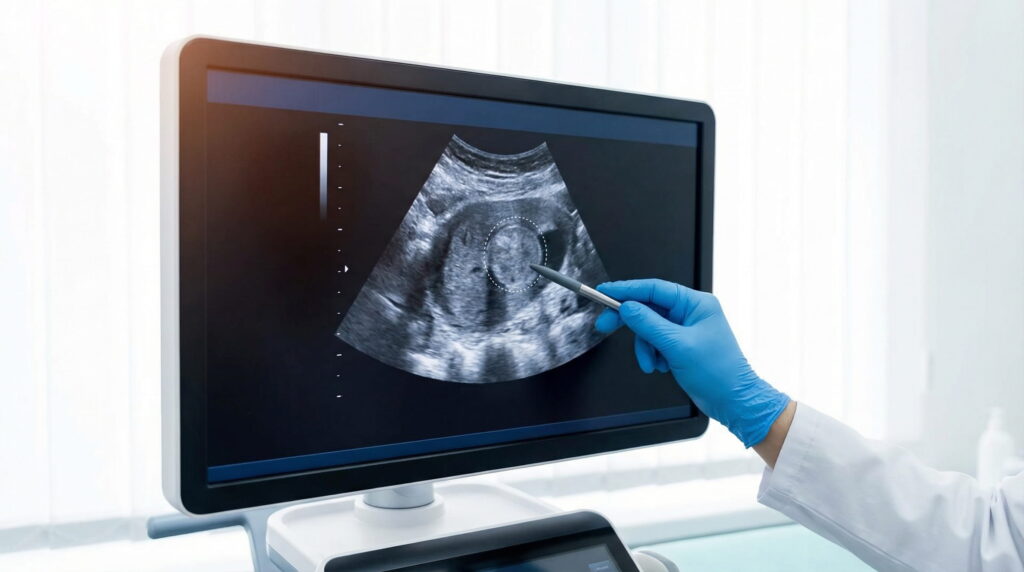
A uterine fibroid (also called a leiomyoma) develops from the muscular tissue of the uterus. Many patients discover it incidentally on ultrasound, without any symptoms. When symptoms appear, they can affect quality of life and, sometimes, fertility.
The most common situations in which a uterine fibroid becomes clinically relevant are:
- heavy or prolonged menstrual bleeding (with risk of anemia);
- pelvic pain or pressure;
- frequent urination (when it presses on the bladder);
- discomfort during sexual intercourse;
- difficulty conceiving or recurrent pregnancy loss (in certain locations).
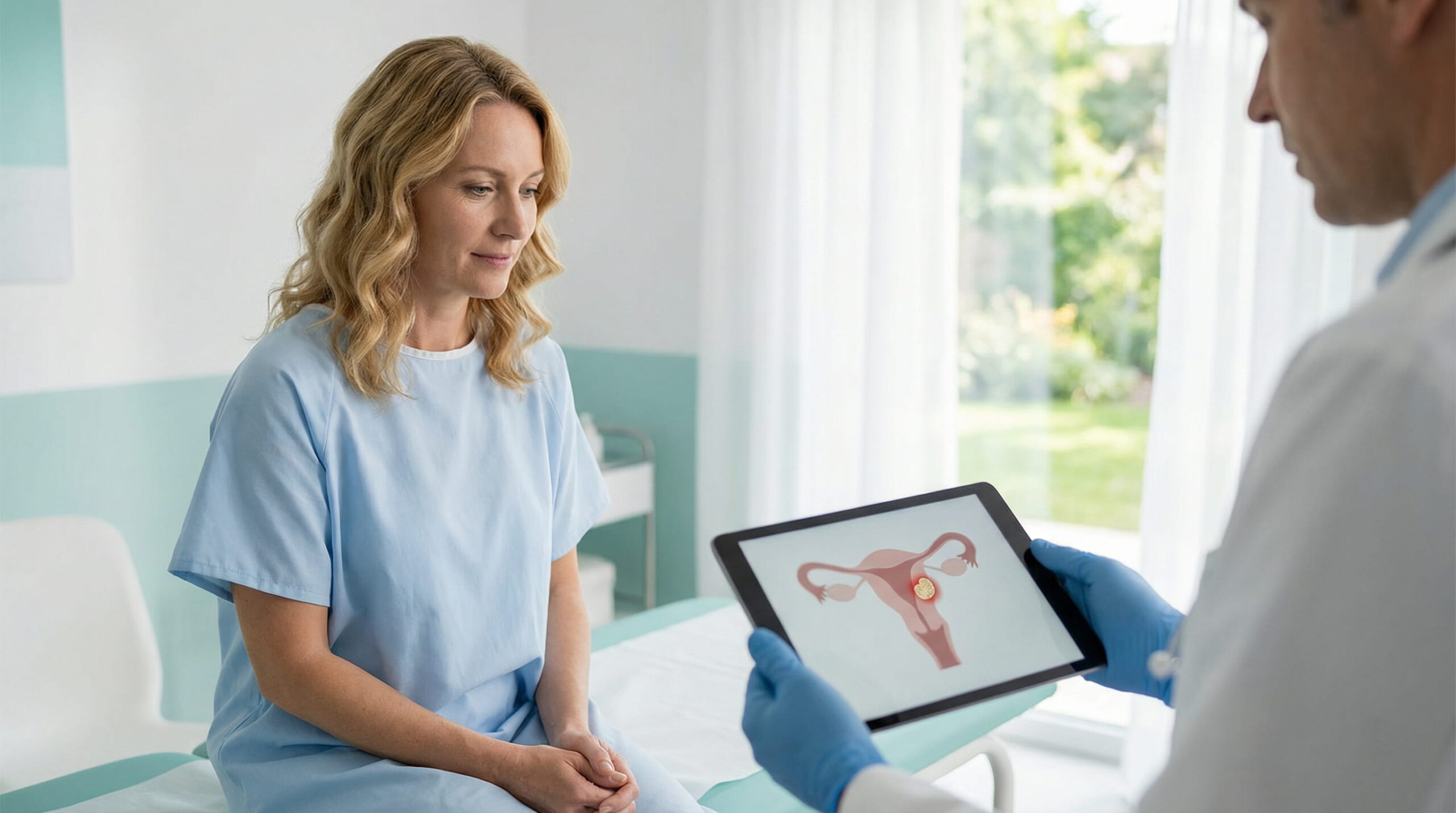
The type and position matter a lot. In short, a uterine fibroid can be subserosal (toward the outside of the uterus), intramural (within the uterine wall), or submucosal (toward the uterine cavity). In general, submucosal fibroids are the most relevant for abnormal bleeding and may affect fertility precisely because they impact the uterine cavity.
A correct diagnosis changes fibroid treatment
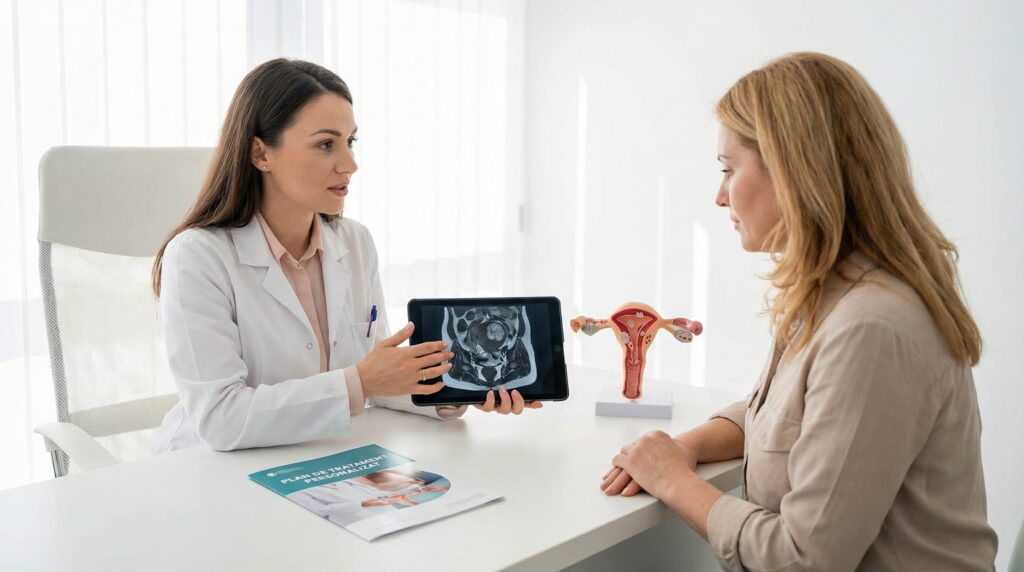
When we talk about uterine fibroids and treatment, the first step is knowing exactly what we are dealing with. Size alone doesn’t tell the whole story; sometimes a small submucosal fibroid causes more problems than a larger subserosal one.
Typically, the evaluation includes a gynecological consultation and a transvaginal ultrasound (and, if needed, an abdominal ultrasound), plus a detailed discussion about symptoms: how much they affect you, when they started, and how they are evolving. If bleeding is heavy, it is worth checking whether anemia has developed.
MRI can be useful when there are multiple fibroids and we need precise mapping, when surgery must be planned in detail, or when ultrasound raises questions that need clarification.
In my practice, the more solid the diagnosis is from the beginning, the clearer and more predictable fibroid treatment becomes.
Uterine fibroid treatment: from monitoring to intervention
There is no single solution that fits everyone. Treatment depends on symptoms, location, size, growth rate, age, and—very importantly—your reproductive plan.
When monitoring is enough
If the fibroid is small, causes no symptoms, and does not affect the uterine cavity, periodic monitoring can be an excellent option. In these cases, we follow its evolution and intervene only if symptoms or significant changes appear.
Medical treatment
Medication can help control symptoms, especially bleeding, and sometimes can temporarily reduce volume. It’s important to know that, in most cases, medical treatment does not permanently “eliminate” a fibroid—it manages its consequences. The choice is individualized, depending on age, symptoms, and pregnancy plans.
Minimally invasive procedures
Depending on the case profile, there are minimally invasive options that can be discussed. Selection is crucial: the same procedure can be excellent in one context and inappropriate in another. That is why the decision is based on location, symptoms, and objectives (symptom control vs. fertility preservation).
When removal becomes relevant
Removal is considered when bleeding is significant (especially with anemia), when there is persistent pain or compression, when the fibroid distorts the uterine cavity, when there is infertility or recurrent pregnancy loss and the fibroid is considered a contributing factor, or when growth dynamics suggest an active approach.
Uterine fibroid removal: which option fits each case
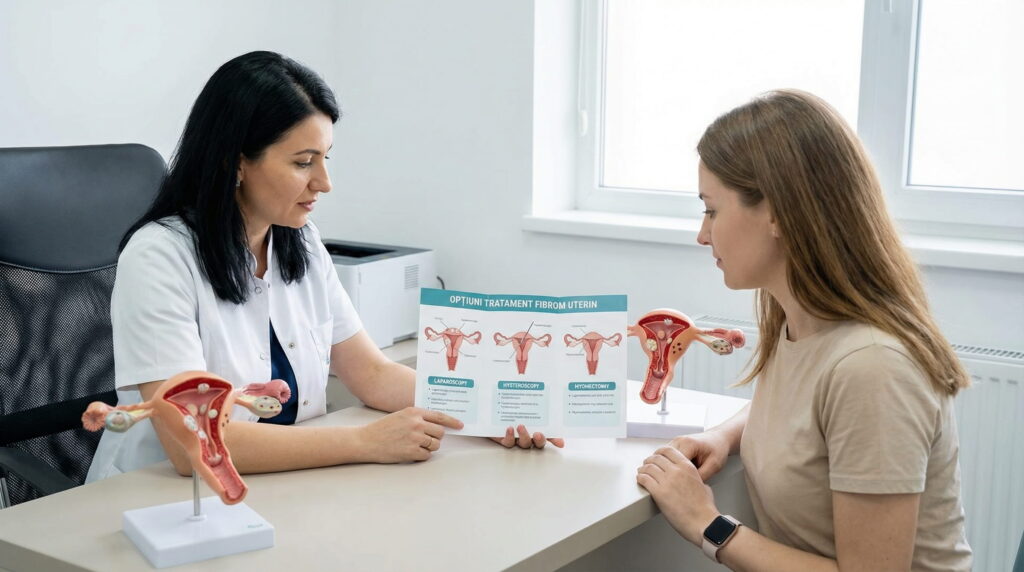
When the goal is to preserve the uterus—and often fertility—the best-known intervention is myomectomy, meaning fibroid removal while keeping the uterus.
Hysteroscopic myomectomy
Mainly indicated for submucosal fibroids that protrude into the uterine cavity. The major advantage is an “inside” approach, without abdominal incisions. For many patients, this is an effective option when the main problem is bleeding or infertility related to cavity distortion.
Laparoscopic myomectomy
Can be an option when the fibroid is accessible laparoscopically and safety criteria are met. Recovery is usually faster than with open surgery, but correct case selection is essential.
Open (abdominal) myomectomy
Still necessary in certain situations: very large fibroids, many nodules, difficult locations, or other conditions that make minimally invasive access less safe.
Hysterectomy
In some cases, when symptoms are severe and reproductive plans are complete, hysterectomy can be discussed as an option. This is an important decision, made only after a clear discussion of alternatives, risks, and objectives.
“You deserve to be listened to, seen, treated with respect and supported throughout your life.”

Uterine fibroids and fertility: what truly matters
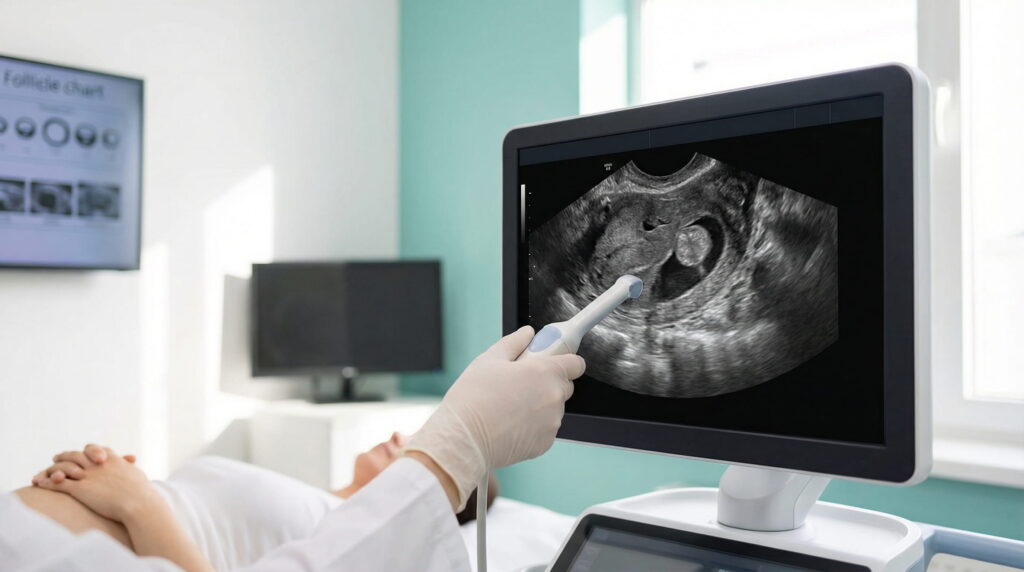
From a fertility perspective, not every fibroid causes problems. Location is often the decisive factor. Submucosal fibroids and some intramural fibroids that change the shape of the uterine cavity are most commonly involved in implantation difficulties and sometimes pregnancy loss.
In practice, I always analyze the full context: age, pregnancy history, endometrial quality, and the presence of other diagnoses. Symptoms can overlap with other gynecological conditions, and correct differentiation matters for the final plan, including when we discuss endometriosis treatment.
In some cases, removing a fibroid before trying for pregnancy is a logical step—especially when there is a plausible mechanism by which the fibroid lowers the chance of success. In other cases, immediate surgery is not necessary, and the plan is built step by step based on your priorities and available investigations.
When indicated, assisted reproduction can be part of the strategy, and the discussion about In Vitro Fertilization (IVF) becomes part of a realistic plan with good timing.
Recovery after uterine fibroid removal
Recovery depends on the type of procedure. In general, after minimally invasive surgery, returning to light activities is faster than after open abdominal surgery. Regardless of technique, I emphasize a few simple principles: pain control, gradual return to movement, hydration, adequate sleep, and following postoperative recommendations.
There are also situations where it is important to contact your doctor quickly. Typically, worsening pain, fever, heavy bleeding, significant dizziness, or abnormal discharge should be evaluated without delay.
Risks, recurrence, and long-term follow-up
Any intervention has risks, and my role is to explain them clearly before we decide. In fibroid removal, we discuss general risks (bleeding, infection, anesthesia reactions) and specific issues such as adhesions or the impact on the uterine wall, depending on location and technique.
Another important point: fibroids can recur. Myomectomy removes existing nodules, but it does not “switch off” the tendency to develop new ones. That is why long-term follow-up and monitoring are part of fibroid treatment—not a secondary detail.
Frequently Asked Questions
Is there uterine fibroid treatment without surgery?
Yes, in some cases. If symptoms are mild or absent, monitoring can be sufficient, and sometimes medication helps control bleeding. The choice depends on location, symptoms, and reproductive plans.
When is removal of a uterine fibroid recommended?
When it causes significant bleeding, pain, pressure on nearby organs, growth, or affects the uterine cavity. For some patients, removal is recommended for infertility or pregnancy loss when the fibroid is considered involved.
Does myomectomy mean the fibroid will never come back?
Not necessarily. Myomectomy removes existing fibroids, but the tendency can remain. Periodic monitoring remains important, especially if symptoms return.
Uterine fibroid and pregnancy: does it have to be removed first?
Not always. It depends on the fibroid type, whether it affects the uterine cavity, symptoms, and your history. Sometimes removal before pregnancy can improve chances; other times it isn’t necessary.
How long is recovery after uterine fibroid removal?
It depends on the technique. Recovery after hysteroscopic or laparoscopic approaches is generally faster than after open surgery. Recommendations are personalized based on the procedure and postoperative course.
Can a uterine fibroid turn into cancer?
Very rarely. In the vast majority of cases, a fibroid is benign. Still, certain clinical signs may justify additional investigations for safety, as advised by your doctor.
When is an MRI useful for uterine fibroids?
When ultrasound doesn’t provide enough detail, when there are multiple fibroids and we want exact evaluation, or when surgical planning is complex. MRI can help choose the best strategy.
After fibroid treatment, how often are follow-up visits needed?
Usually, the first check-up is a few weeks after the intervention or after starting treatment, then at intervals based on symptoms, age, and pregnancy plans. The schedule is tailored to each case.

Dr. Andreas Vythoulkas’ role in uterine fibroid removal
For me, removing a uterine fibroid is not “just” a procedure—it’s a medical decision that must make long-term sense for you: symptom control, preserving the uterus when it matters, and integrating your reproductive plan into a realistic pathway.
My approach starts with a precise diagnosis, choosing the fibroid treatment that fits your situation, and a post-treatment strategy that includes monitoring and clear next steps if pregnancy is a goal. When other conditions may influence fertility, it helps to look at the full picture and build a coherent plan.
Within this framework, it can sometimes be relevant to also have a team-based perspective on endometriosis treatment and In Vitro Fertilization (IVF) when the indication is clear and the plan is personalized.
Talk with me about
Uterine Fibroid Removal
Sources
Similar Articles

What Changes in Fertility During Perimenopause and What Should Not Be Assumed Automatically

IVF Without Embryos: Possible Explanations and the Next Steps
